The Hoka Arahi 8 is here, and if you’re a fan of the Arahi 6 or 7, you might be in for a surprise. This model has been completely overhauled—so whether you’re a longtime user or considering your first pair, here’s everything you need to know before buying.
Major Midsole Changes
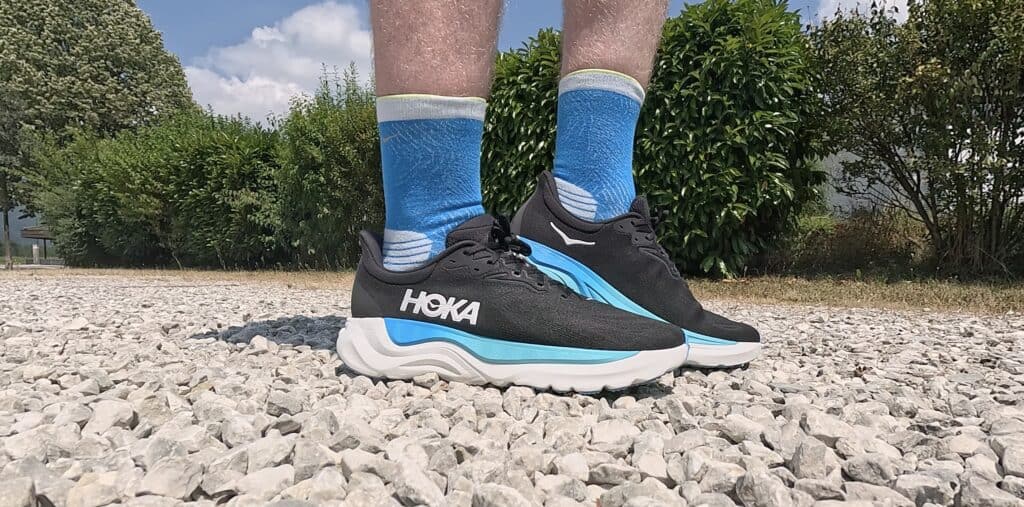
While the Arahi 8 still uses Hoka’s CMEVA cushioning, it now has more stack and a different drop. The shoe offers 39mm in the heel and 31mm in the forefoot, increasing the drop from 5mm in the Arahi 7 to 8mm drop.
The feel underfoot is also softer and less responsive compared to previous versions. The Arahi 6 and 7 were built on the Clifton 9 platform, giving them a snappier ride. But the Arahi 8 feels much more like the softer Clifton 10, prioritising comfort over energy return.
Despite the added cushioning, the Arahi 8 has shaved a bit of weight—now 269g in a men’s US 9 compared to 272g in the Arahi 7.
Outsole and Rocker Profile
The outsole has also been redesigned, providing more grip and an improved rocker geometry. You’ll notice a better heel bevel and a more aggressive forefoot rocker that aids the heel-to-toe transition. This improves the walking experience but doesn’t fully compensate for the softer ride during running.
Check the latest prices below:
Fit and Upper Design
The Arahi 8 uses a new creel jacquard mesh that offers a snug but forgiving fit. There’s slightly more room in the toe box compared to the Arahi 6 and 7, though still not as much as in the Hoka Gaviota 5. The shoe fits true to size, locks down well with a non-gusseted padded tongue, and has a more flexible heel counter—great for those with heel sensitivity.
Stability Redefined
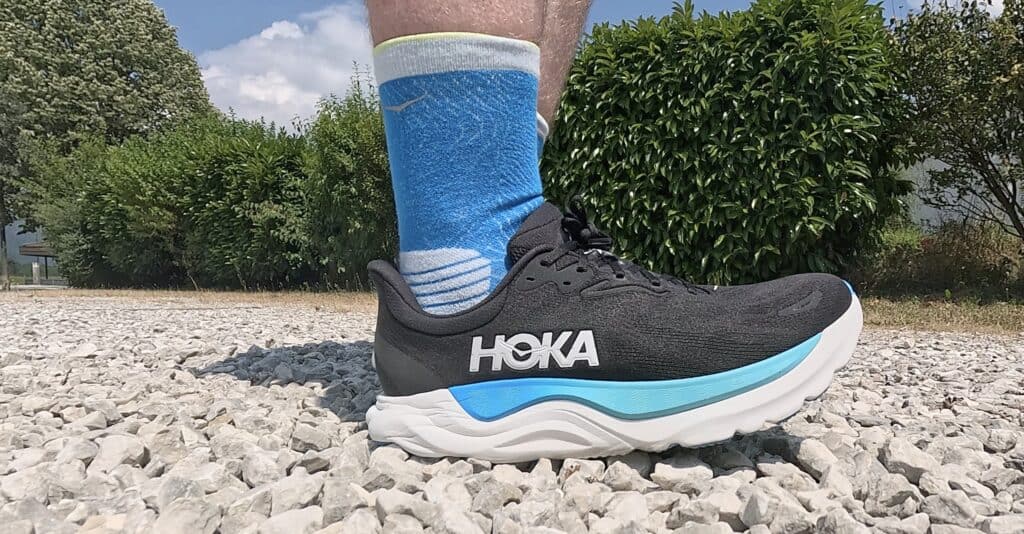
The biggest change is in stability. Gone is the classic J-Frame that offered structured medial support. In its place is the H-Frame seen in the Gaviota 5. This modern approach uses firmer foam through the centre and sides of the shoe to guide the foot, similar to Brooks’ GuideRails.
However, the overall feel is less stable. The Arahi 8 has softer foam, a more flexible heel, and less pronounced sidewalls—making it a mild stability shoe rather than the mild-to-moderate category of the Arahi 7.
Check the latest prices below:
Walking vs Running
As a walking or lifestyle shoe, the Arahi 8 is extremely comfortable. It’s soft, plush, and easy on the feet—ideal for long days on concrete or casual wear.
When running, the story changes. It lacks the responsiveness of the Arahi 6 and 7 and feels slower transitioning from heel to toe. If you loved the snappier feel of earlier models, you might find the Arahi 8 underwhelming.
Arahi 8 vs Gaviota 5
Interestingly, the Arahi 8 and Gaviota 5 now feel quite similar. The Gaviota still has the roomier toe box and a slightly more structured build, but both shoes share the same stability system and a soft, max-cushioned feel. The Arahi 8 is a bit lighter and actually has more stack, which raises the question: are these shoes now too similar?
Final Thoughts
The Hoka Arahi 8 is a big departure from its predecessors. It moves away from a snappy, responsive stability shoe toward a more comfort-focused, max-cushion ride. If that’s what you’re after, this shoe delivers. But if you loved the feel of the Arahi 6 or 7, you may want to explore alternatives—or even grab a pair of the Arahi 7 while they’re still available.