The Nike Structure series has long been a favourite among runners who want reliable support and durability. With the release of the Nike Structure 26, Nike has introduced some major updates to both cushioning and stability features. If you’re wondering whether it’s worth upgrading from the Structure 25, or whether this model fits your running and walking needs, this in-depth review covers everything you need to know.
Key Updates in the Nike Structure 26
Nike has moved away from the Cushlon 3.0 and forefoot Air Zoom unit used in the Structure 25. Instead, the Structure 26 uses a full-length ReactX foam midsole—the same material used in the Nike Vomero 18. However, the implementation here is quite different.
The ReactX in the Structure 26 is firmer and more balanced. It doesn’t have the same bounce or responsiveness as in the Vomero 18, but it delivers a stable and controlled ride. You still get some sink-in softness underfoot, but it rebounds smoothly without that “springy” sensation.
The drop remains the same at 10 mm, with 38 mm of cushion in the rearfoot and 28 mm in the forefoot—just a 1 mm increase from version 25. Despite this added stack, the Structure 26 is slightly lighter: 353 g in a US men’s size 12 versus 361 g in the Structure 25.
Stability Features: What’s Changed?
The Structure line is known for its arch support and guidance features. The Structure 25 had a midfoot support system that was quite noticeable under the medial arch. In the 26, the ReactX midsole softens that feeling significantly.
For runners who missed that stronger sense of guidance, Nike has effectively answered that gap with the Structure Plus, which builds on the 26 but adds a more defined support system and wider base.
Those who liked the pronounced support under the arch in version 25 might find this update underwhelming. However, Nike has added lateral sidewalls on the outside of the foot to improve stability during ground contact. These sidewalls act like a modern guide rail system, helping to keep your foot centred without overly correcting your motion.
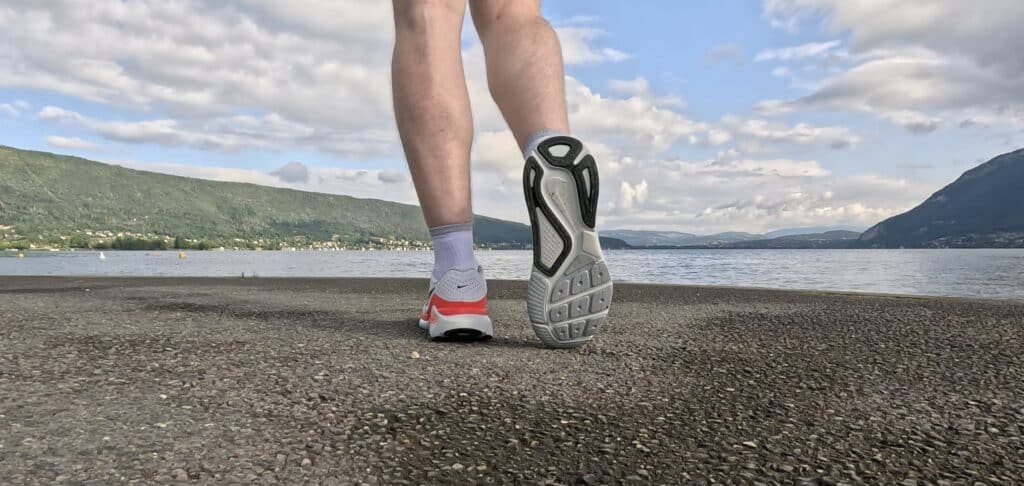
The outsole configuration has also been redesigned. The forefoot rubber layout now allows more flexibility and pairs with a more aggressive forefoot rocker to encourage smoother toe-offs. You’ll also notice improved toe spring to help push you forward at the end of your stride.
Check the latest prices on Amazon below:
Upper and Fit: Comfort First
Nike has introduced a new engineered mesh in the upper, giving the Structure 26 a more breathable and accommodating fit. The toe box feels true to size and offers slightly more width than previous versions, although only the standard width is available at launch. We expect wide and extra-wide versions to follow.
The lacing system has been refined, and the tongue is now thick and semi-gusseted, adding comfort and a secure lockdown. Around the heel, Nike has added more padding for a plush feel, while the heel counter remains moderately stiff but more flexible than the one in the Structure 25. This makes the shoe a better choice for those with heel sensitivity.
Performance and Use Cases
For walking, standing, or lifestyle wear, the Structure 26 is an excellent choice. It offers comfort and stability without feeling overly corrective. That makes it ideal for anyone who wants light support for overpronation or a stable platform for daily activities.
For running, the Structure 26 excels at easy paces and longer distances such as 10K or half marathon training. It’s not a speed shoe and doesn’t have the responsiveness required for tempo or interval sessions. If you’re looking for a more versatile, fast-feeling stability option, consider the Hoka Arahi 8 or ASICS GT-2000 13.
While the Structure 26 doesn’t deliver the same level of arch-focused stability as its predecessor, the combination of sidewalls and balanced ReactX cushioning makes it a solid mild-to-moderate stability shoe.
Check the latest prices on Amazon below:

Final Thoughts
Nike has clearly shifted the Structure series toward a softer, more comfort-focused stability model with the Structure 26. While longtime fans of the firmer Structure 25 may miss the prominent arch support, the new model offers a modern take on guidance and cushioning.
If you’re looking for a supportive daily trainer for walking or running at relaxed paces, the Structure 26 could be a great fit.