If you’re deciding between the New Balance 860 v14 and the New Balance 880 v15, you’re not alone. Both are standout options in the Fresh Foam lineup, but they serve slightly different purposes. As a foot and ankle specialist, I’ve reviewed both shoes in detail to help you understand how they perform for walking, lifestyle use, and running.
Let’s break it down.
Key Midsole Differences: Blended vs Balanced
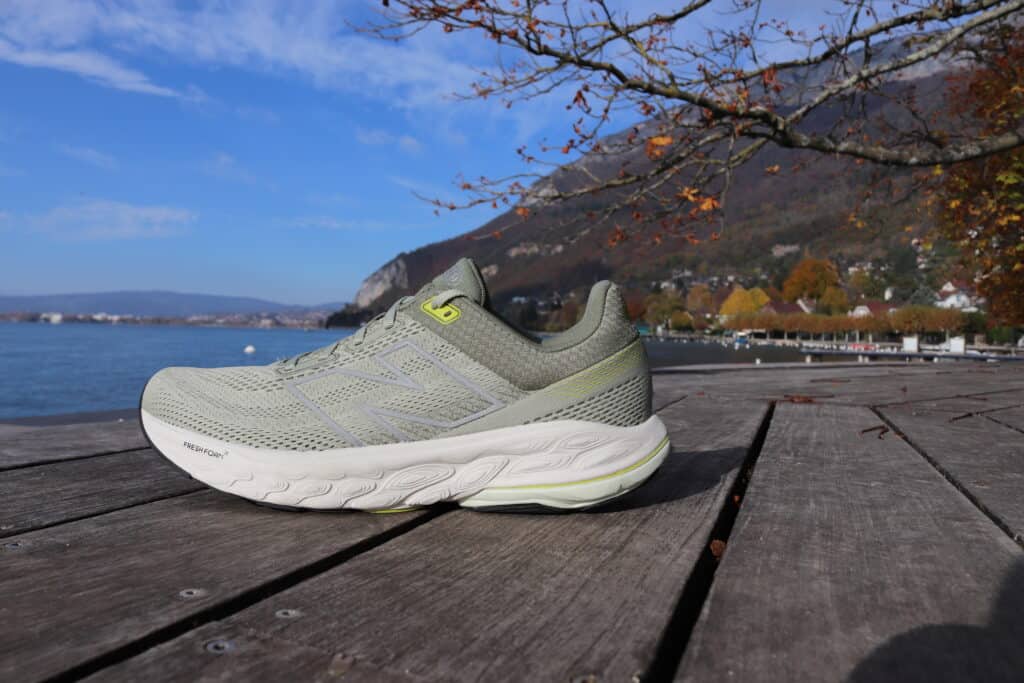
The New Balance 860 v14 features a dual-density midsole, which isn’t something you see every day. The white foam on top is soft, while the green foam underneath is denser—especially along the medial (inner) side of the shoe.
This setup gives the 860 a gentle medial tilt, which acts almost like built-in orthotic support. It helps limit overpronation by nudging your foot slightly outward. If you’re someone who benefits from mild arch support or tends to roll inwards when you walk or run, the 860 provides subtle but continuous support.
Interestingly, this type of setup is rare. A similar approach is only seen in shoes like the Saucony Hurricane 25, which also blends foams for support.
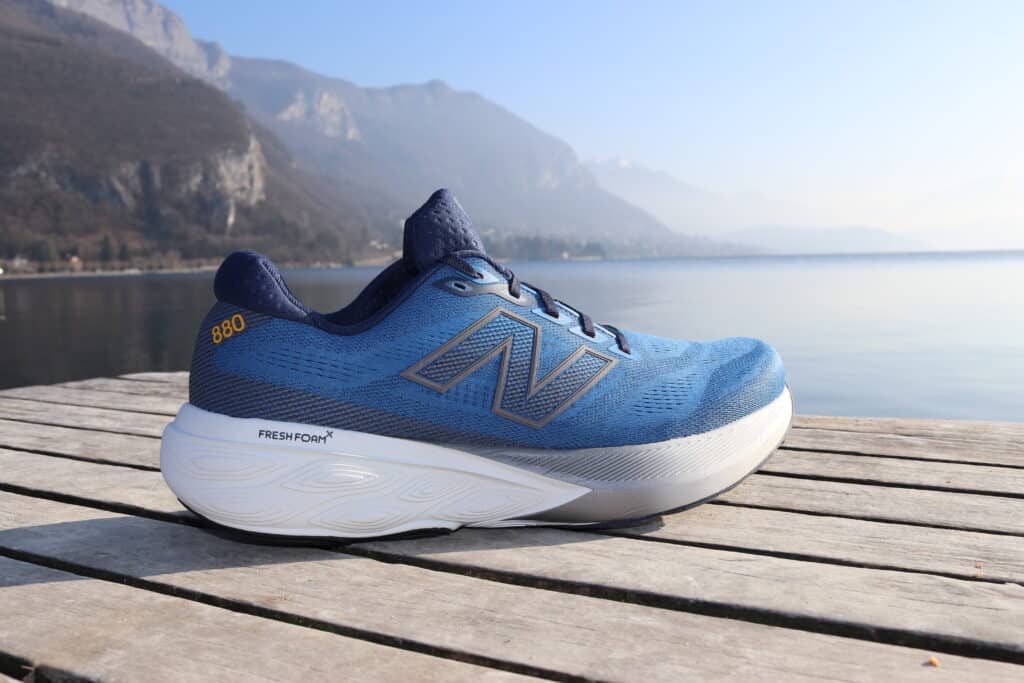
In contrast, the 880 v15 sticks to a single-layer Fresh Foam X midsole that feels firmer and more balanced. It doesn’t have the same corrective tilt, but its consistent density gives it a stable ride. If you’re after a more neutral shoe with a touch of firmness, the 880 fits that mould perfectly.
Stability Features and Support
The 860 isn’t just about the midsole. It also offers several structural elements designed to stabilise your gait:
- Large medial sidewall wrapping the heel
- Stiff heel counter to cradle the rearfoot
- Wide forefoot base for grounded landings
- Sole flare on both sides for additional ground contact
These features make the 860 an excellent option for those who need mild to moderate support, particularly for flat feet or instability around the arch.
The 880 v15 has fewer of these stability add-ons, but the firm midsole and sole flare still give it a planted, dependable feel. It’s not a stability shoe by category, but it certainly doesn’t feel sloppy underfoot either.
If you’re curious about how the 880 compares to other neutral options, it falls somewhere between the New Balance 1080 v14 (softer) and the more flexible Rebel v5.
Check the latest price on Amazon below:
Cushioning and Stack Height
The 880 v15 has a thicker midsole stack:
- Rearfoot: 40.5mm
- Forefoot: 34.5mm
- Drop: 6mm
Compare that to the 860 v14:
- Rearfoot: 38mm
- Forefoot: 30mm
- Drop: 8mm
That slightly lower drop in the 880 provides a more level platform underfoot, while the 860’s higher drop might suit those who prefer a bit more heel lift—especially helpful if you have stiff ankles or limited calf flexibility.
Upper Fit and Comfort
Both shoes are generously roomy in the toe box and come in standard, wide, and extra-wide options. That makes them solid choices for anyone with broader feet or conditions like bunions or metatarsalgia.
- 860 has a slightly plusher upper, especially through the midfoot.
- 880 offers a more streamlined fit, but still includes a gusseted tongue and plenty of padding around the collar.
Check the latest price on Amazon below:
How They Feel for Walking, Work, and Casual Use
Let’s talk about real-world wear. If you’re someone who spends long days on your feet—whether walking, commuting, or working—both shoes are excellent. But they do feel different:
- 860 offers more support, especially on the inside of your foot. It gently tilts the ankle outward, which can be great for those who overpronate—but not ideal if you’re prone to peroneal tendon issues or outer ankle pain.
- 880 feels more neutral and balanced, making it a safer pick if you have a history of ankle sprains or just want a stable platform without correction.
If you’re looking for alternatives focused purely on comfort, our list of the most cushioned shoes for walking might also be worth checking out.
Running Use: Easy Runs to Marathon Training
Both the 860 and 880 are surprisingly capable for running, despite being marketed more as daily trainers or walking shoes.
- The 860 v14 shines for easy or recovery runs, especially if you want added support but don’t like the feel of a traditional stability shoe. You can comfortably run up to marathon distance in them, although they’re not built for speed.
- The 880 v15 is a workhorse neutral trainer. It’s firmer, a touch more responsive, and ideal for everything from short 5Ks to marathon-paced efforts. If you prefer a quicker shoe for tempo sessions, the 880 works well—or you might step up to something like the Rebel v5 for faster workouts.
Final Thoughts
So, how do you choose?
- Go for the 860 if you want gentle arch support, added structure, and a shoe that subtly helps with overpronation.
- Choose the 880 if you prefer a firmer, neutral ride and need a daily trainer that does a bit of everything.