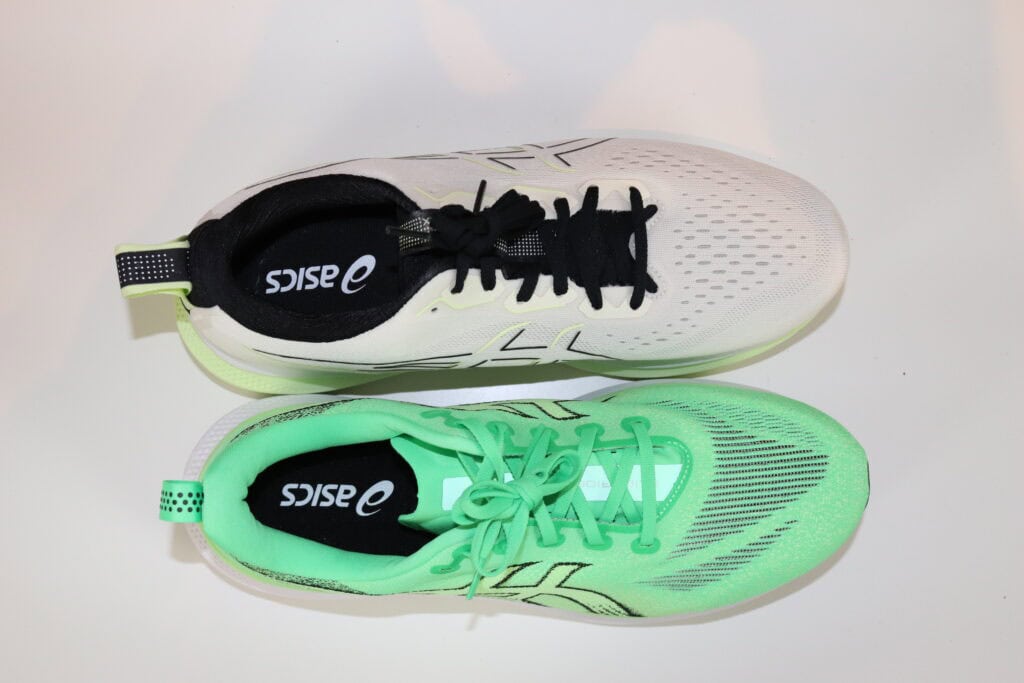
The ASICS GlideRide Max 2 has arrived, and although it looks similar to the original Glideride Max, there are five meaningful updates that change how it feels for walking, daily use, and running. If you’re wondering whether it’s worth upgrading, this breakdown will help you decide.
As a foot specialist who reviews hundreds of shoes each year, I was especially interested in how ASICS evolved this underrated model.
Weight Reduction: Same Stack, Lighter Ride
One of the biggest differences between the two versions is the weight.
The original GlideRide Max had:
- 44 mm heel
- 38 mm forefoot
- 6 mm drop
- 325 g (US Men’s 12)
The GlideRide Max 2 keeps the same stack and drop, but drops to 298 g, making it 27 g lighter. On foot, it feels easier to move in and transitions quicker both in walking and running.
Cushioning remains a combination of FF Blast Max, an EVA plate, and FF Blast Plus, giving it that recognisable soft, rolling ride.
Toe Spring: A More Noticeable Forward Roll
The Max 2 has increased toe spring, meaning the forefoot curves upward more than in the older version. This creates a more noticeable forward roll, helping you transition smoothly during walking or running.
For most people, this is a positive change. However, if you have severe hallux rigidus or big toe arthritis, the increased extension at the big toe joint may feel uncomfortable. The Asics Gel-Nimbus 28 could be a good alternative.
Check the latest prices on Amazon below:
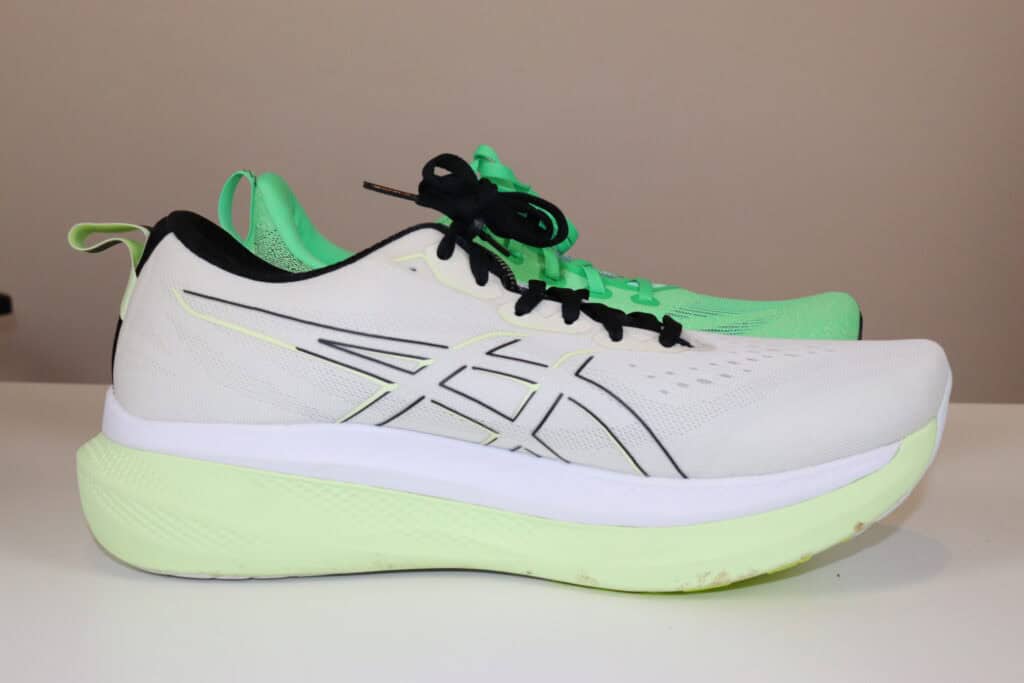
Upper and Fit: Lighter, Cooler, More Comfortable
ASICS redesigned the entire upper using a new technical woven knit that is thinner, more breathable, and wraps the foot without squeezing the smaller toes. The fit remains true to size, and the toe box has good width.
The tongue has been simplified—no pull tab and less padding—but the lockdown is still excellent. Small aesthetic updates, like the heel loop and lace system, give it a sleeker look.
Performance: A Much More Dynamic Ride
This is where the updates come together.
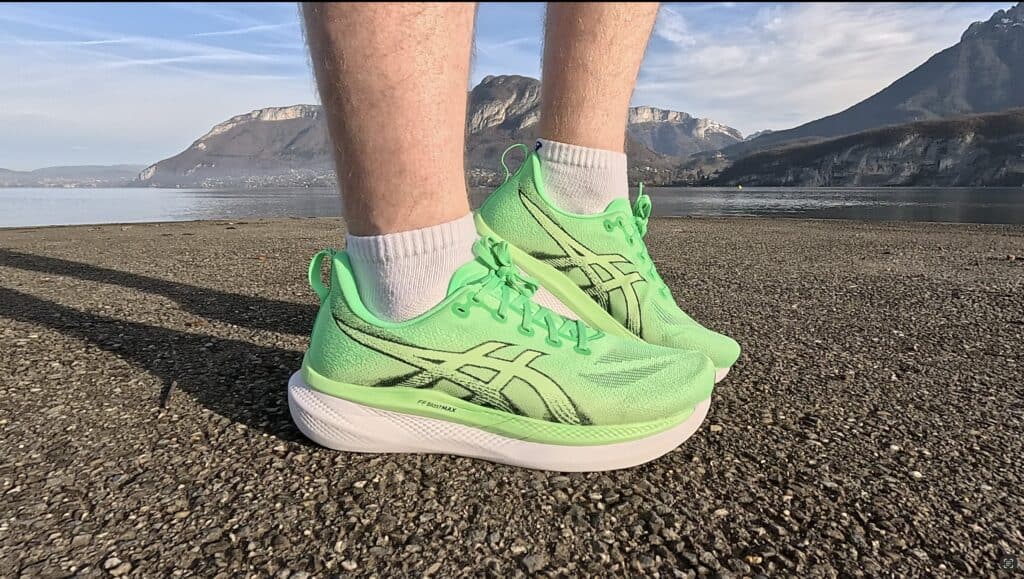
The lighter weight, revised rocker, and familiar cushioning make the Max 2 feel more energetic than the original.
Walking
You get a smooth roll from heel to toe with minimal effort. The forefoot rocker provides a gentle “push” that makes the shoe enjoyable than many of the other models in Asics walking line-up.
Running
The original GlideRide Max was great for easy days.
The Max 2 still excels there, but now also works for:
- Light uptempo work
- Early threshold sessions
- Runners wanting a smooth-but-faster transition
It moves quicker from midfoot to toe-off and feels more nimble overall.
Check the latest prices on Amazon below:
GlideRide Max 2 vs GlideRide Max 1: Comparison Table
| Feature | GlideRide Max (Original) | GlideRide Max 2 |
|---|---|---|
| Weight (US 12) | 325 g | 298 g (−27 g) |
| Stack Height | 44 mm heel / 38 mm forefoot | 44 mm heel / 38 mm forefoot |
| Heel-to-Toe Drop | 6 mm | 6 mm |
| Toe Spring | Moderate | More aggressive / increased |
| Cushioning | FF Blast Max + EVA plate + FF Blast+ | FF Blast Max + EVA plate + FF Blast+ |
| Upper | Thicker knit | New woven knit, lighter + more breathable |
| Toe Box Fit | Standard | Slightly roomier |
| Tongue | Padded with pull tab | Thinner, no pull tab |
| Outsole | Broad base, stable | Very similar |
| Best For | Easy runs, walking | Easy runs, walking + light uptempo |
| Medical Suitability | Good for ankle stiffness | Better for ankle stiffness, caution with severe hallux rigidus |
Medical Considerations
From a clinical perspective, this shoe works exceptionally well for individuals who benefit from a strong rocker, particularly those with limited ankle mobility. The geometry helps reduce the demand on the ankle during push-off.
However, if you have severe big toe stiffness, the increased forefoot curvature may feel too aggressive. For mild to moderate cases, most people still tolerate this well, but trying it in store is recommended.
Final Thoughts
The ASICS GlideRide Max 2 isn’t just a cosmetic refresh—it feels genuinely different. The lighter weight, improved upper, and sharper toe spring make it smoother, quicker, and more versatile than the original.
If you enjoy a rockered shoe for walking or running, the Max 2 is a fantastic option. For those with more severe big-toe mobility issues, the original may still feel more comfortable. If you need a more stable protective shoe then the Asics Gel-Kayano 32 is worth considering – and for newer runners choosing between comfort and stability, we’ve also covered these options in our guide to the best running shoes for beginners.
Let me know in the comments if you think this update is worth the upgrade.
Medical Disclaimer
This review is for informational purposes only and is not a substitute for personalised medical advice. Footwear recommendations are based on general foot mechanics and common clinical patterns, but individual needs may vary. If you have persistent pain or a diagnosed foot condition, consult a qualified healthcare professional for assessment and tailored guidance.