The Brooks Beast GTS 26 is one of the most supportive shoes you can buy right now. But that doesn’t automatically make it comfortable, and it definitely doesn’t make it a good running shoe. In fact, once you put it on, it feels very different to what most people expect from a modern running shoe.
So the real question is—who is this actually for? Because for the right person, this level of support can feel incredibly secure. But for others, it can feel firm, restrictive, and even a bit uncomfortable over time.
First Impressions: Solid… Very Solid
The first thing you notice when you put this shoe on is how solid it feels.
Not soft.
Not plush.
Just… solid.
It’s also a heavy shoe. You’re looking at around 418 grams in a US size 12, with a 12mm drop. So straight away, it feels quite substantial underfoot.
For some people, that’s reassuring.
For others, it can feel a bit harsh from the start.
Underfoot Feel: More Control Than Comfort
Once you start walking in it, everything is geared towards control.
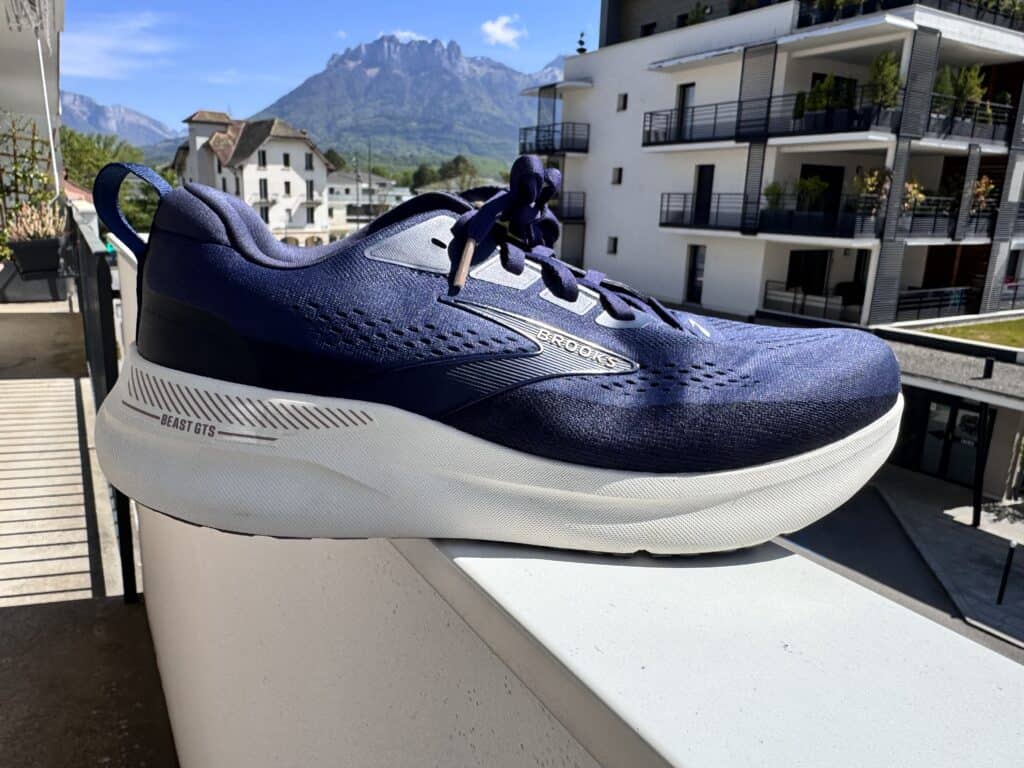
There’s a slight rocker, but it’s not very noticeable.
The forefoot is quite stiff.
And the heel feels quite abrupt when it hits the ground.
That comes down to the shape of the heel. It’s quite squared off at the back, so instead of a smooth transition, you get something that feels a bit more clunky—especially over longer walks or if you try to run in it.
Check the latest prices on Amazon below:
Where This Shoe Stands Out: Stability
This is where the shoe does exactly what it’s designed to do.
You feel very contained in it.
There’s a lot of structure around the foot, particularly through the arch. And the base of the shoe is wide—very wide.
In fact, it’s one of the widest bases I’ve seen in a while, especially through the forefoot. So when you’re walking, you feel very planted and stable.
One thing I do like here is the lateral support. Most stability shoes focus mainly on the inside of the foot, but this one supports both sides. That can be helpful if you feel unstable side to side or tend to roll outwards.
Who This Shoe Works For
This shoe makes the most sense if you’re looking for maximum support.
Particularly for walking.
If softer shoes make you feel a bit unstable, or you just prefer something that feels more grounded and controlled, this does that really well. It’s the kind of shoe where you feel supported as soon as you put it on.
Where It Falls Short
This is the part most people need to be aware of.
Despite being marketed as a running shoe, I wouldn’t recommend it for running for most people.
It’s just too firm, too heavy, and there’s not much energy return. So when you try to pick up the pace, it doesn’t feel smooth or natural. It feels like hard work.
That heel also plays a role here. It feels quite clunky when you land, which makes running feel even less efficient.
The Fit: Not What You’d Expect
The fit is a bit confusing.
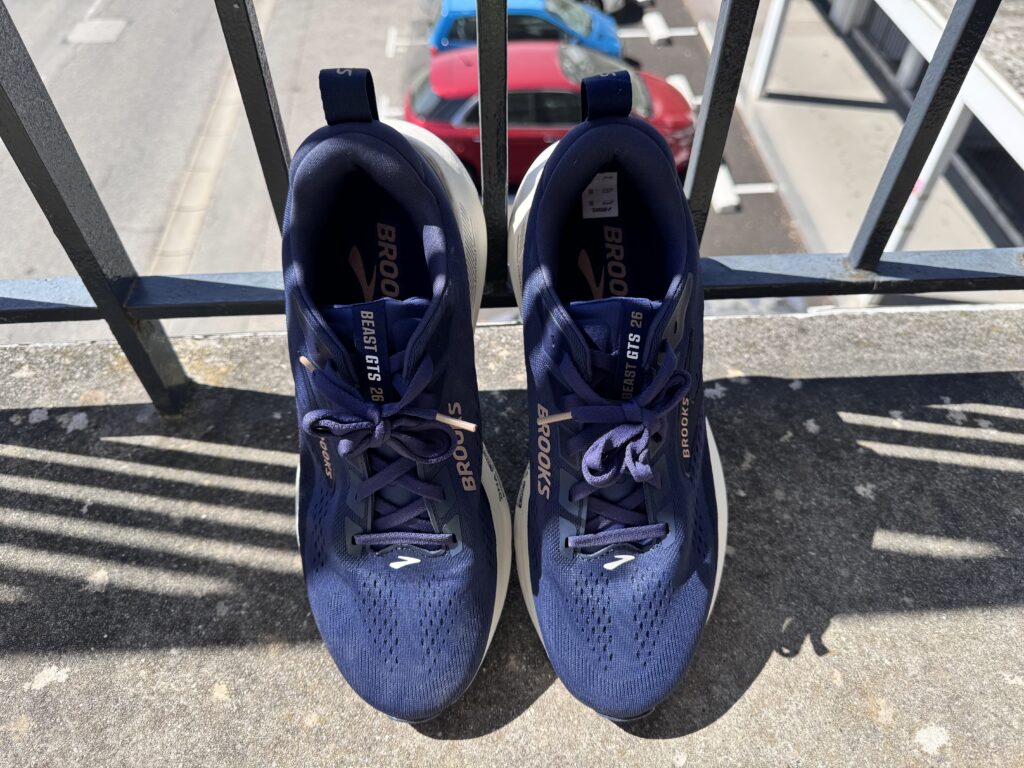
The base of the shoe is wide, so you’d expect plenty of room for your foot. But in the toe box, it actually feels more normal—maybe even slightly narrow for some people.
Compared to something like the Brooks Ghost Max 3, the Beast has a wider platform, but less space for your toes. So it doesn’t quite match what you’d expect from looking at it.
Check the latest prices on Amazon below:
Cushioning: Stable… and That’s About It
The cushioning here does one thing well.
It keeps you stable.
But beyond that, there’s not a lot going on. It’s not particularly soft, and you’re not getting much bounce or responsiveness either.
If you’re looking for comfort or a bit of energy return, this probably isn’t the shoe for you.
A Quick Note If You Have Flat Feet
If you’ve got a more rigid flat foot, this is something to be careful with.
Because of the firmness combined with the level of arch support, it can feel like the shoe is pushing up into your arch. Over time, that can lead to discomfort or irritation.
Compared to the Brooks Adrenaline GTS 25
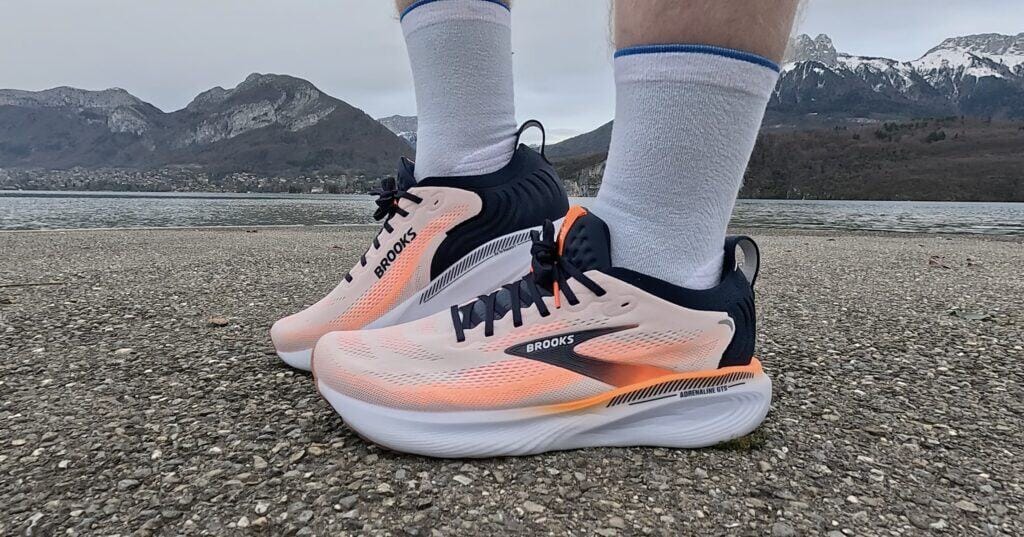
If you’re choosing between the Brooks Beast GTS 26 and the Brooks Adrenaline GTS 25, they might look similar on paper—but they feel very different once you’re actually moving in them.
The Beast is built around maximum support. It’s heavier, much firmer underfoot, and has a much wider base—especially through the forefoot. That gives it a very planted, controlled feel, but it also makes it feel slower and a bit clunky, particularly if you try to run in it.
The Adrenaline is still a stability shoe, but it’s far more balanced. It’s lighter, more flexible through the forefoot, and the transition feels smoother when your foot hits the ground. Even though it uses similar cushioning, it feels more natural and easier to move in.
So while both shoes offer support, they do it in very different ways.
The Beast is really designed for maximum stability, and in my view, works best as a walking shoe.
The Adrenaline, on the other hand, is much more versatile. You can walk in it, stand in it all day, and still go out for a run without it feeling heavy or restrictive.
So it comes down to what you need.
If you want the most support possible, the Beast makes more sense.
But if you want a stability shoe that you can actually use day to day—and run in comfortably—the Adrenaline is the better option.
Check the latest prices on Amazon below:
Final Thoughts
The Brooks Beast GTS 26 is a very specific shoe.
If you want something that feels very stable, very secure, and very controlled, it does that really well.
But if you’re looking for comfort, versatility, or something to run in, there are better options out there in the Brooks Range.