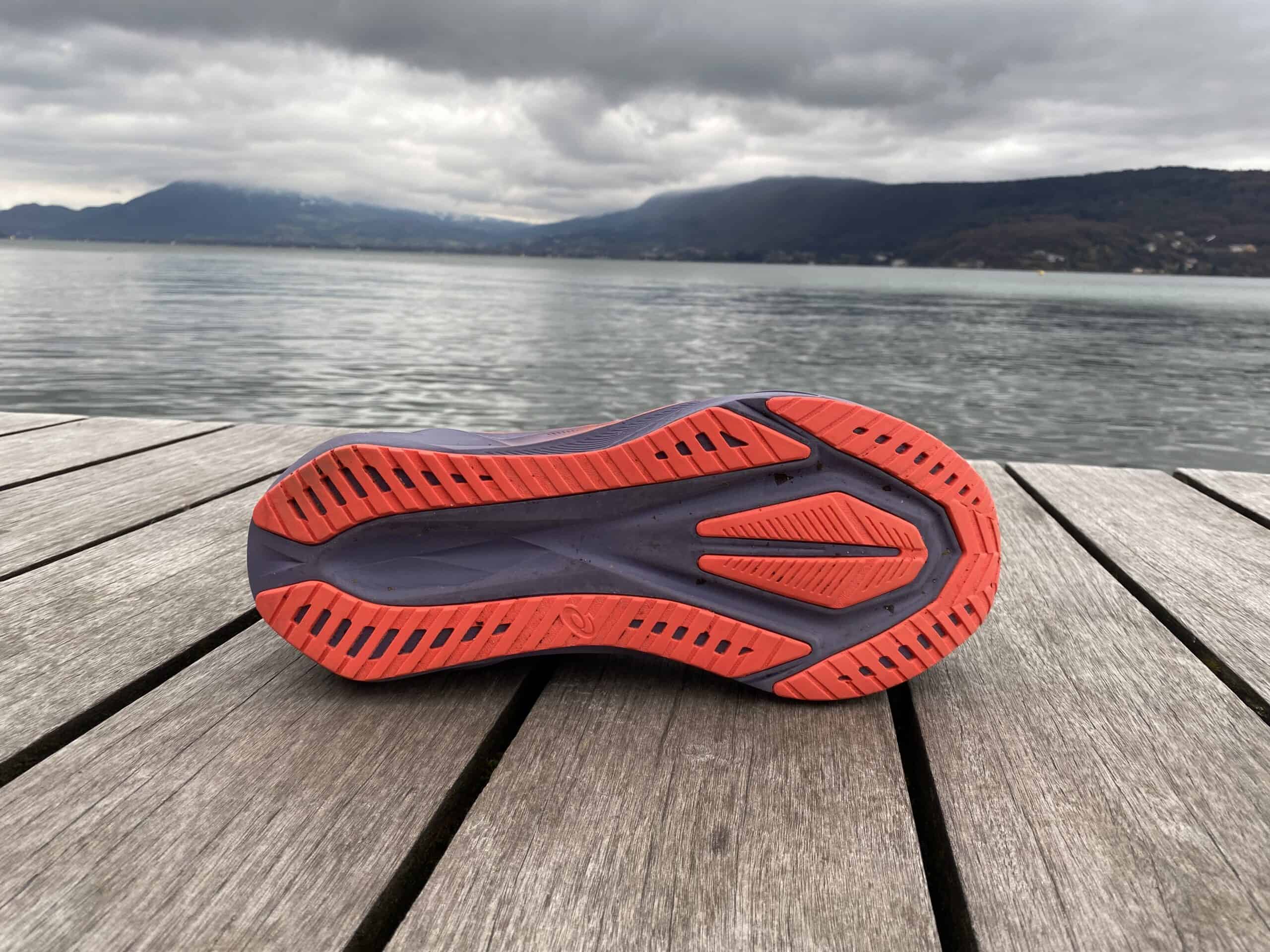
If you’ve been looking at the ASICS Gel-Nimbus 28 and the ASICS Gel-Cumulus 28, you’ve probably noticed something.
They look more similar than ever.
Historically, the Nimbus was the premium, max-cushion option and the Cumulus sat clearly below it as the more entry-level daily trainer. But with the most recent updates from ASICS, that gap has narrowed significantly.
That doesn’t mean they’re the same shoe.
It just means the decision now requires a bit more thought, especially depending on whether you want them mainly for lifestyle use, walking, or running.
Let’s break it down properly.
Cushioning and stack height – more foam doesn’t automatically mean softer
On paper, the Nimbus 28 still wins the stack height battle. It comes in with 43.5 mm in the rearfoot and 35.5 mm in the forefoot, giving an 8 mm drop. It uses FF Blast Plus, but the blend feels different to the Nimbus 27—firmer, stiffer, and more controlled. So while it’s massively cushioned, it doesn’t feel overly soft or unstable.
The Cumulus 28 has around 5 mm less cushioning overall, with 38.5 mm in the heel and 30.5 mm in the forefoot, also with an 8 mm drop. But the ride feels completely different because of FF Blast Max. Instead of feeling “fine but forgettable” like some older Cumulus versions, it feels lively and springy—again, very similar to the sensation you get in the Novablast 5.
This is why I keep saying that stack height alone doesn’t tell the full story. Foam blend, stiffness, and geometry can make a higher stack feel firmer than a lower stack.
Weight – the Cumulus feels quicker on foot
In a US men’s size 12, the Nimbus 28 weighs 316 g, and the Cumulus 28 drops about 15 g to 301 g. It’s not a dramatic difference on paper, but in motion it matters—especially if you’re walking quickly, travelling, or using the shoe in a rotation for runs.
The Nimbus feels more substantial and planted. The Cumulus feels slightly more nimble and “easy” to pick up.
Check the latest prices on Amazon below:
Geometry and stiffness – the Nimbus protects the forefoot more
Here’s the part that really separates them.
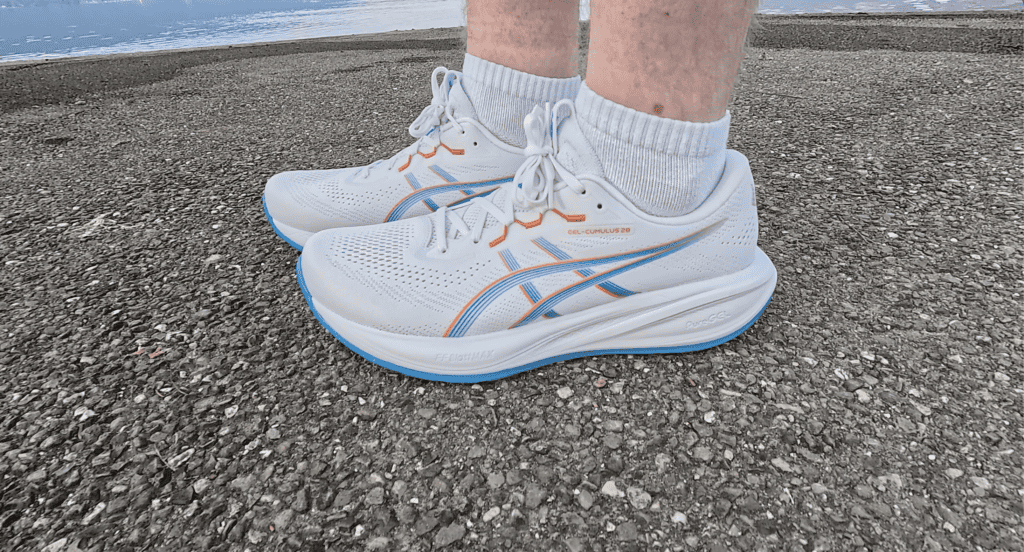
The Nimbus 28 has a noticeably more aggressive forefoot rocker and toe spring. That toe spring (where your toes sit slightly extended) helps the push-off phase of gait—whether you’re walking or running. It’s also backed up by a very stiff forefoot. Combine that stiffness with the higher stack and the Nimbus does an excellent job protecting the ball of the foot.
So if you deal with forefoot sensitivity, or big toe joint issues like hallux rigidus, the Nimbus 28 is often the more comfortable option simply because it reduces how much the forefoot has to bend.
The Cumulus 28, by contrast, is more flexible. You get a more natural bend through the front of the shoe, which some people prefer for walking because it feels less “guided.” It also has a noticeably improved heel bevel, giving a very smooth transition when you first contact the ground—something that becomes really noticeable on longer walks or easy runs.
Stability – the Nimbus is more stable than most people expect
People often assume “more cushioning = less stability,” but the Nimbus 28 doesn’t behave like that. It has a broad base, larger sidewalls that rise up around the heel, and a stiff heel counter that holds the rearfoot firmly. In simple terms, it’s a stable neutral shoe with a lot of structure.
The Cumulus 28 is still stable enough for most neutral runners and walkers, but it feels lighter, springier and a touch less structured at the rearfoot than the Nimbus. If you prioritise that planted, supportive sensation for long days on your feet, the Nimbus tends to feel more confidence-inspiring.
If you’re specifically choosing an ASICS shoe mainly for walking, it’s worth comparing both of these alongside the other models I recommend in my Best ASICS Walking Shoes 2026 guide. That page breaks down which ASICS shoes suit different walking styles (and different comfort preferences) much more clearly than trying to guess from stack height alone.
Check the latest prices on Amazon below:
Fit and upper – both true to size, but the Nimbus feels more “plush”
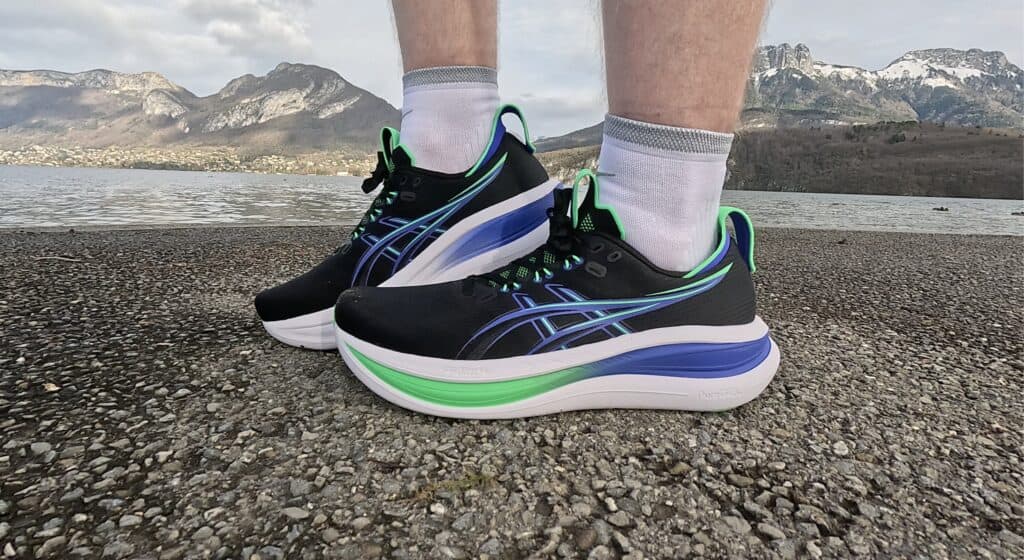
Both shoes have new uppers and both fit true to size in length. The Cumulus 28 upper feels a bit more breathable and flexible than the previous version, and slightly more accommodating through the forefoot. Both are available in wide versions.
The Nimbus 28 has more padding around the heel and a slightly more comfort-focused feel overall—partly why it also carries a bit more weight. One small gripe: ASICS removed the external pull tab on the Cumulus, which is a shame. The Nimbus still has it.
Lifestyle use – which one feels better for walking and standing?
For walking and standing, both work brilliantly, but the “better” choice depends on what you want to feel underfoot.
If you want maximum underfoot protection, a stable platform and a rocker that gently rolls you forward, the Nimbus 28 makes a lot of sense. It’s the easier choice for people who want a shoe that feels protective and supportive all day.
If you prefer a slightly lighter shoe with more ground connection and a springier feel, the Cumulus 28 can feel more natural—especially if you like a bit of flexibility through the forefoot.
And just to place this in context: this “bouncy but still cushioned” feel is exactly why so many people also consider the Novablast 5 when they want an ASICS shoe that’s enjoyable for both walking and running. If that’s the kind of ride you like, the Cumulus 28 is now much closer to it than it has ever been.
Running – they can both do more than they used to
This is where the gap has tightened the most.
They can both handle easy and recovery running. The Nimbus still feels more protective for tired legs, and that extra forefoot stiffness helps if you like the shoe to roll you forward without much effort.
But the Cumulus 28 is no longer “just” the entry-level option. With FF Blast Max, it has enough bounce and energy to take you further than older Cumulus models. Half-marathon and marathon training shouldn’t be an issue for most runners now, and because it’s lighter, it can also slot into a rotation for early-stage uptempo work.
The Nimbus 28 has also become more versatile because it has slimmed down and feels more responsive than the Nimbus 27. It’s not as lively as the Cumulus, but it can handle more than just plodding easy miles.
If you’re cross-shopping outside ASICS as well, a shoe that many people compare to these for “premium daily comfort” is the New Balance 1080 v15. I’ve put my full thoughts on how it differs (especially in bounce, flexibility and stability) in my New Balance 1080 v15 comparison piece.
Check the latest prices on Amazon below:
Quick comparison table
| Shoe | Heel Stack | Forefoot Stack | Drop | Weight (US 12) | Cushioning | Ride feel |
|---|---|---|---|---|---|---|
| ASICS Gel-Nimbus 28 | 43.5 mm | 35.5 mm | 8 mm | 316 g | FF Blast Plus (updated blend) | Protective, firmer, rocker-driven, stable neutral |
| ASICS Gel-Cumulus 28 | 38.5 mm | 30.5 mm | 8 mm | 301 g | FF Blast Max | Lighter, bouncier, more flexible, smoother heel transition |
My takeaway
If you want the most protection underfoot, especially at the forefoot, plus a stable, structured ride for long days and recovery running, the Nimbus 28 still earns its premium status.
If you want something lighter, springier and more fun—without losing the ability to go long—then the Cumulus 28 is the most exciting update we’ve seen in that line for years.
If you’ve tried either, tell me in the comments which one you prefer—and what you’re using it for.